Products

Roller Bearings

What are Roller Bearings?

Roller bearings are defined as precisely designed parts of rolling element bearings, utilizing cylindrical or specifically designed rollers to facilitate easy and smooth rotation with least friction.” Roller bearings provide very small startup torque and high accuracy, making them very helpful in demanding sectors. The different kinds of roller bearings include spherical bearings, specifically designed self-aligning bearings, thrust bearings, designed to handle axial loading, tapered bearings, designed to handle combined radial and axial loading, and cylindrical bearings, which handle high radial loading. The “line contact rolling between the rolling elements and the ring surfaces” significantly improves load distribution, thereby outshining ball bearings, which provide “point contact rolling between rolling elements and ring surfaces” with larger contact surfaces, making them aptly suited to demanding applications. Compared to plain bearings, roller bearings decrease “energy dissipation and abrasive wear, making them better suited to highspeed and high load conditions, such as those found in automotive, aircraft, and industrial machinery,” thereby decreasing abrasion. The main constituents of roller bearings include an “inner ring fixed to one part, such as the shaft, and an outer ring fixed to the opposite part, such as the housing,” along with accurately designed “rolling elements, either cylindrical, tapered, or barrel shaped,” and “rolling element cages to maintain even rolling element separation and prevent rolling element contact, ensuring load balance.” Special roller bearings designed for machinery, such as “conveyor bearings and gearbox bearings, enable smooth and efficient load transfer,” allowing accommodating oscillations without “abrasion, and provide smooth, quiet, and high performance operation,” making them aptly designed to handle problematic conditions in demanding sectors. The durability and hardness of roller bearings depend upon “hardened alloy steel with high fatigue and corrosion resistance

Types of Roller Bearings

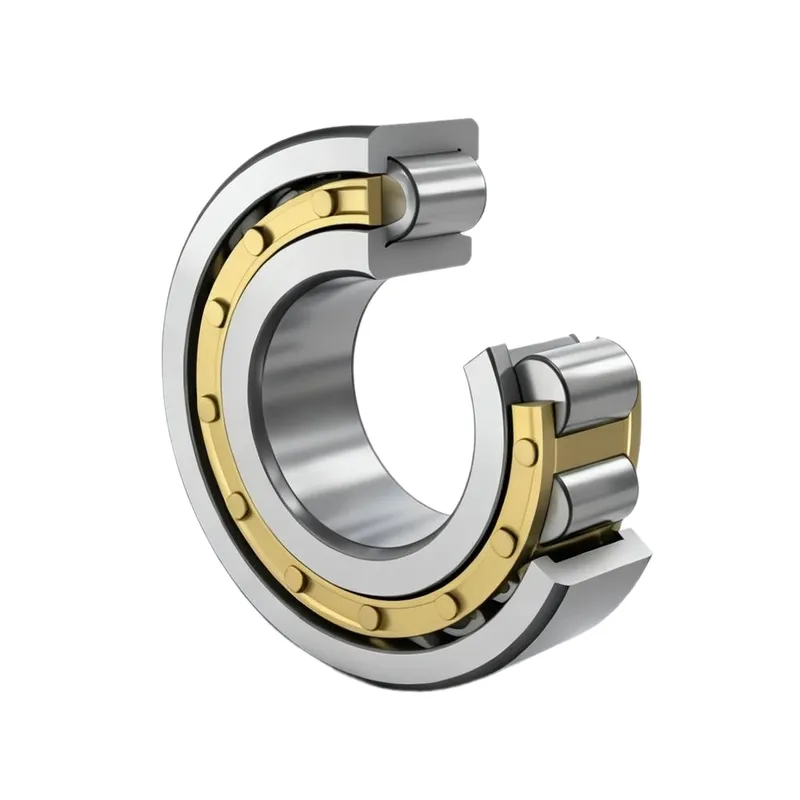
Cylindrical Roller Bearings: Cylindrical roller bearings are radial bearings with parallel cylindrical rollers separated by spacers or retainers. This setup prevents roller tilting or mutual friction, effectively reducing rotational torque increases.
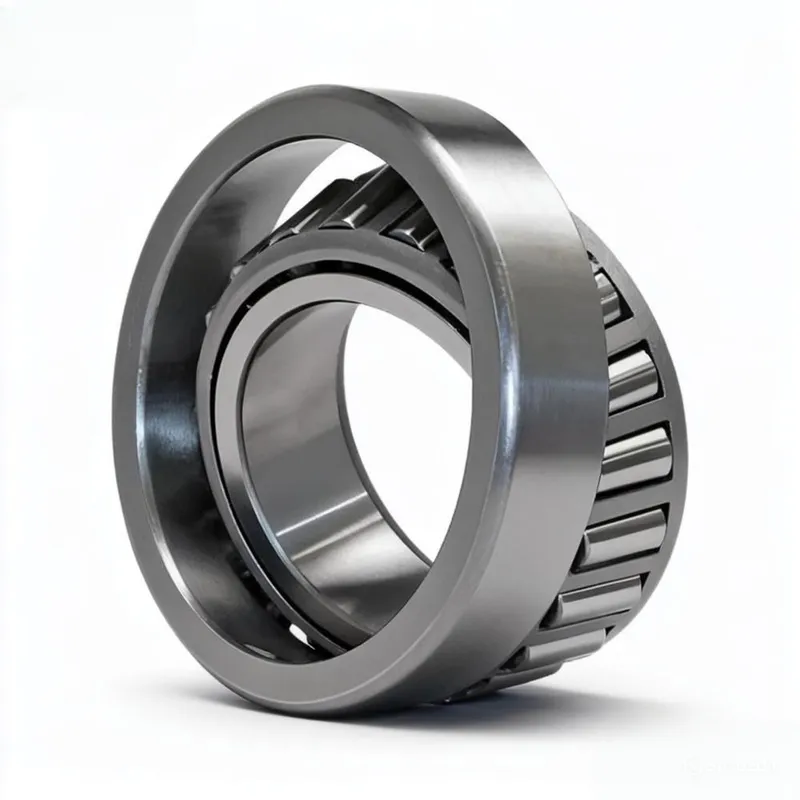
Tapered Roller Bearings: Tapered roller bearings are separable with tapered raceways on inner and outer rings, classified by roller rows into single-, double-, or four-row types. Single-row versions handle radial loads and unidirectional axial loads; radial forces produce an axial component, requiring an opposing bearing for balance.
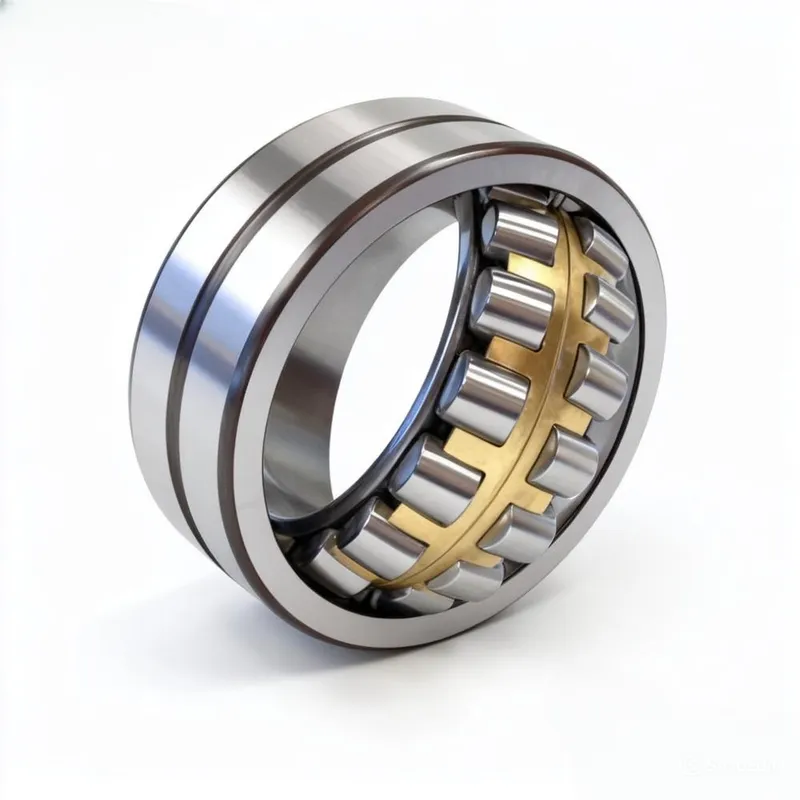
Spherical Roller Bearings: Spherical roller bearings feature two rows of rollers, a shared spherical outer raceway, and two angled inner raceways relative to the axis. This design provides self-aligning capability, tolerating shaft misalignment or deflection from errors, while supporting radial loads and bidirectional axial loads.
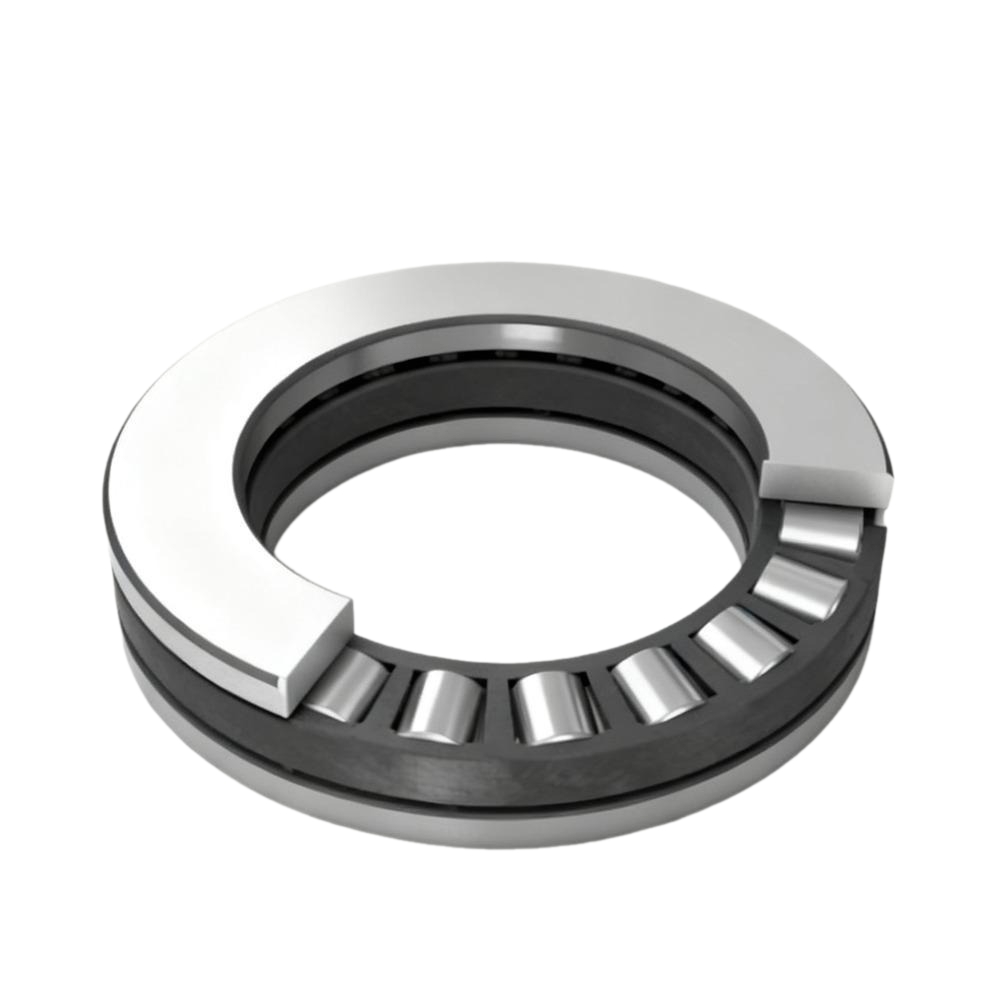
Thrust Roller Bearings:Thrust roller bearings primarily manage axial loads and can handle combined loads (radial up to 55% of axial). They offer low friction, high speeds, self-aligning properties, superior rigidity, and a compact axial footprint.
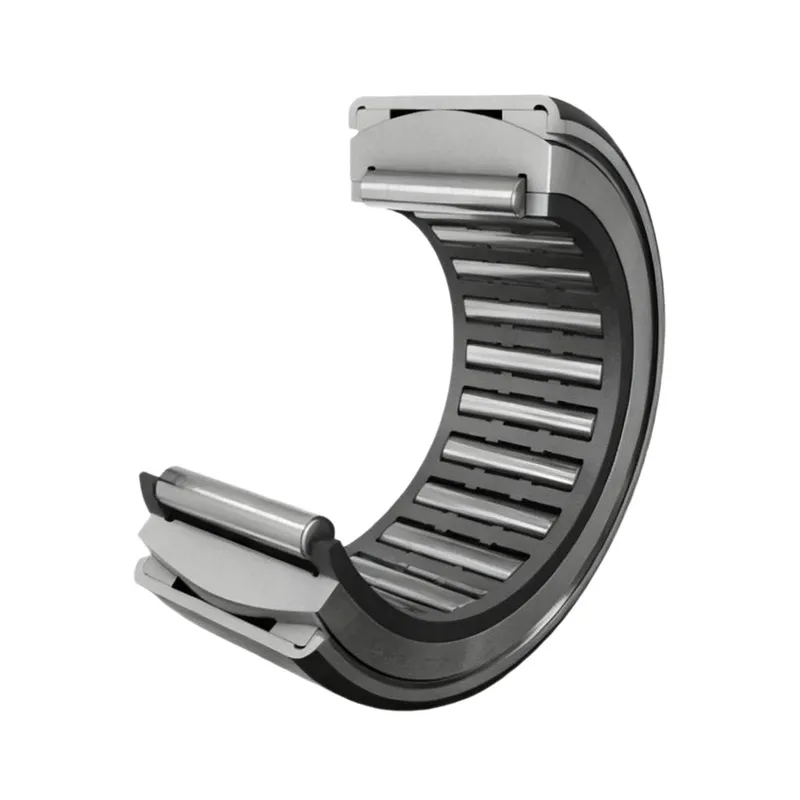
Needle Roller Bearings:Needle roller bearings provide high load capacity despite a small cross-section, with radial compactness and minimal outer diameter, making them ideal for space-limited radial supports. Options include versions without inner rings, where shaft journal and housing bore surfaces act as direct raceways.

Maintenance Guidelines for Roller Bearings

To keep roller bearings in good condition, ensure you maintain them thoroughly to enhance their life and ensure high machinery dependability and avoid costly failures in today’s industrial setups. To achieve this, set up an organized methodical inspection plan involving visual inspection and more sophisticated approaches such as vibration and thermal scanning to identify early warning symptoms of potential problems such as imbalance and overheating. Lubrication is also crucial, with either grease or oil depending on speeds and loading, applying optimal amounts to build up an effective barrier against abrasion and contaminants, and adhering to defined cycles to prevent over or under lubrication. Special equipment such as hydraulic presses must be used during assembly to apply pressure only to the installed ring, with equipment alignment and avoidance of potential damage. Ensure effective seals are maintained with regular inspection and monitoring, keeping moisture, dust, and contaminants at bay, which can lead to abrasion or corrosion. To maintain equipment, clean thoroughly during planned shutdown, with initial removal of gross contamination, then non corrosive means of removing particulate contaminants, while monitoring against noise and/or vibration. To repair, disassemble with equal pressure to avoid damaging parts, then reassemble with high accuracy and defined tolerance values. To enhance energy efficiency, apply optimal lubricator usage and utilization of condition monitoring systems in high impact equipment and environments for immediate predictive analysis and servicing.

Request a Quote