


Products

Self-Aligning Ball Bearings

What are Self-Aligning Ball Bearings?

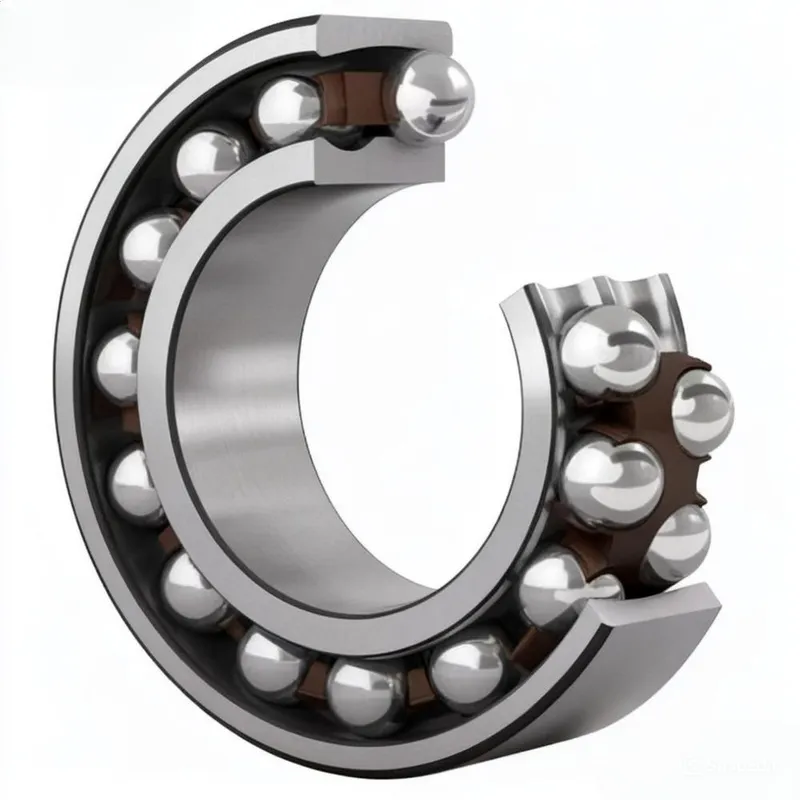
These ball bearings have two rows of balls plus a curved outer track so the inside part can tilt slightly while still working smoothly. Because of this shape, they adjust on their own if the shaft isn’t straight due to mounting mistakes or bending under use. That means less strain builds up inside them during motion. Even when things aren’t lined up right, they keep spinning easily with little resistance and stay accurate over time. Normal ball bearings get stressed at the edges when crooked, but these spread force more evenly since parts shift where needed. They handle sideways pressure okay, along with some thrust in either direction, run more quietly than big roller types, make less heat, also move faster without trouble. These bearings have two rows of balls, which boosts balance when spinning fast; also, thanks to automatic adjustment, they cope well with small fit variations, so perfect shaft to housing positioning isn’t critical. Often found in gear like fans, farm tools, belts, air movers, and fabric machines,where bending or twisting happens,they lower wear by avoiding pressure spots caused by natural misalignments. While great for side loads, they aren’t built for heavy push pull forces, meaning engineers should skip them where strong endwise stress is expected. To get the best results, correct fitting, lube choice, and protection matter a lot sealed units packed with grease work well in grimy settings, whereas open or covered ones perform better under intense heat or rapid motion. Picked right and kept up with timely oil checks and care, these ball bearings deliver smooth running, last longer, adapt to angle hiccups, keep turning accuracy, and stay dependable in diverse tough duty uses.

Features of Self-Aligning Ball Bearings

Handles big alignment shifts:takes on 4 to 7 degrees of moving shaft offset while keeping stress low not by adding tension, but through smart design uses flexible structure instead.
Double Row Ball Construction:Two ball row design enhances radial load capacity and maintains smooth rotation.
Sphere-shaped outer groove:a rounded track that adjusts itself when things are crooked, whether still or moving.
Very Low Friction:Reduced rolling resistance lowers heat generation and supports higher operating speeds.

Great speed handling:Works smoothly without overheating, even when spinning fast so it stays reliable under pressure.
Handles setup mistakes well:makes up for crooked mounts or bent shafts without trouble.
Multiple Sealing Options:Available in open, shielded, or sealed configurations for various contamination levels.
Stronger under pressure:improved inner design in the new version boosts carrying strength by nearly a third so it handles heavy use better.

We Can Solve Your Problems

Misalignment fixes:Crafting smart bearing setups that adjust themselves, depending on real world use
A live boost in efficiency: guessing how bearings act when off center, using smart virtual testing so instead of waiting, you know what’s coming; no guesswork needed
Unique seal setup:Building tailored solutions that fit exact job needs using different methods
Setup help: Sharing expert tips so things run smooth | Using clear directions that make fitting easy | Tips picked smart to boost results
Life check tools: Guessing how long bearings last in real situations with smart math ways

Applications

Frequently Asked Questions

Find answers to common questions about our bearings. If you don’t find what you’re looking for, please don’t hesitate to contact us.

How do self-aligning ball bearings differ from spherical roller bearings?

Self-aligning ball bearings work well under light to moderate loads while spinning fast, also fixing slight shaft alignment issues without trouble. On the flip side, spherical roller types carry far heavier loads even thrust forces yet perform best when running slower.

Go by how fast things move, heat levels, and pressure when picking a grease. For everyday use, lithium complex works just fine so does polyurea. When it’s really hot or spinning quick, go with synthetic or special high heat types instead. Check if your seals can handle the stuff you’re using. Also think about how often you’ll need to add more lube down the line.

Only to a limited extent. They’re mainly for radial loads. For significant axial loads, use thrust or angular contact bearings instead.

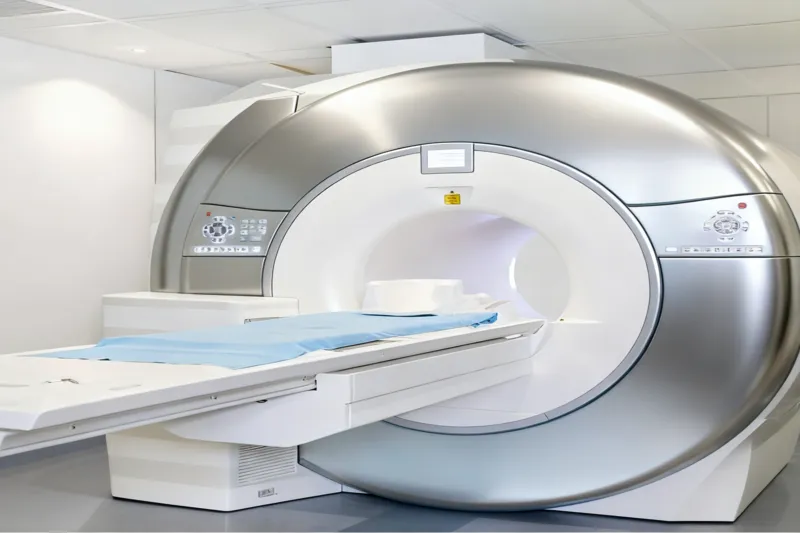
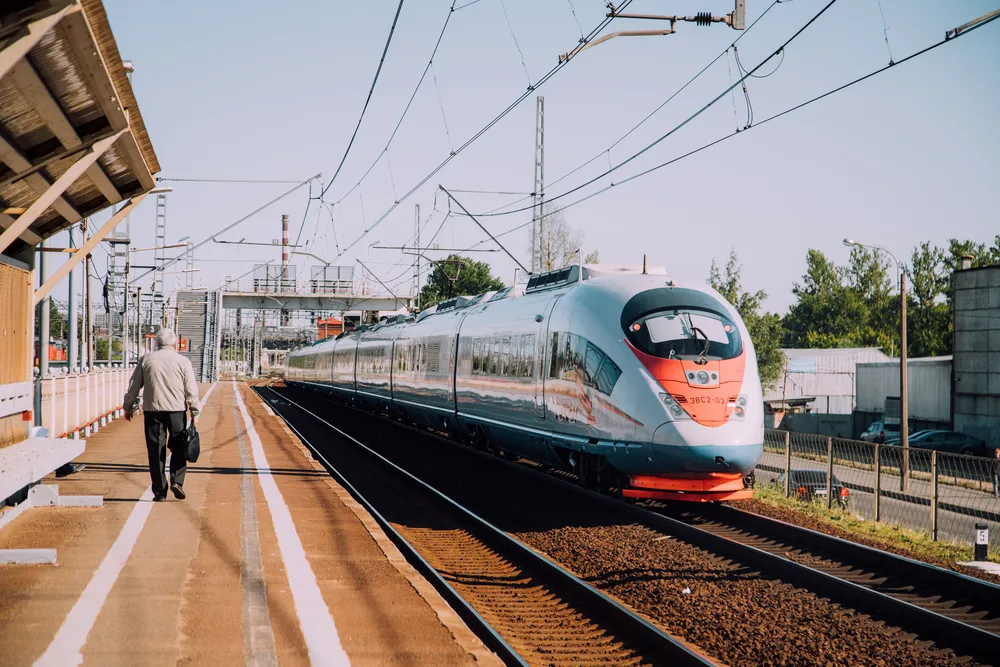
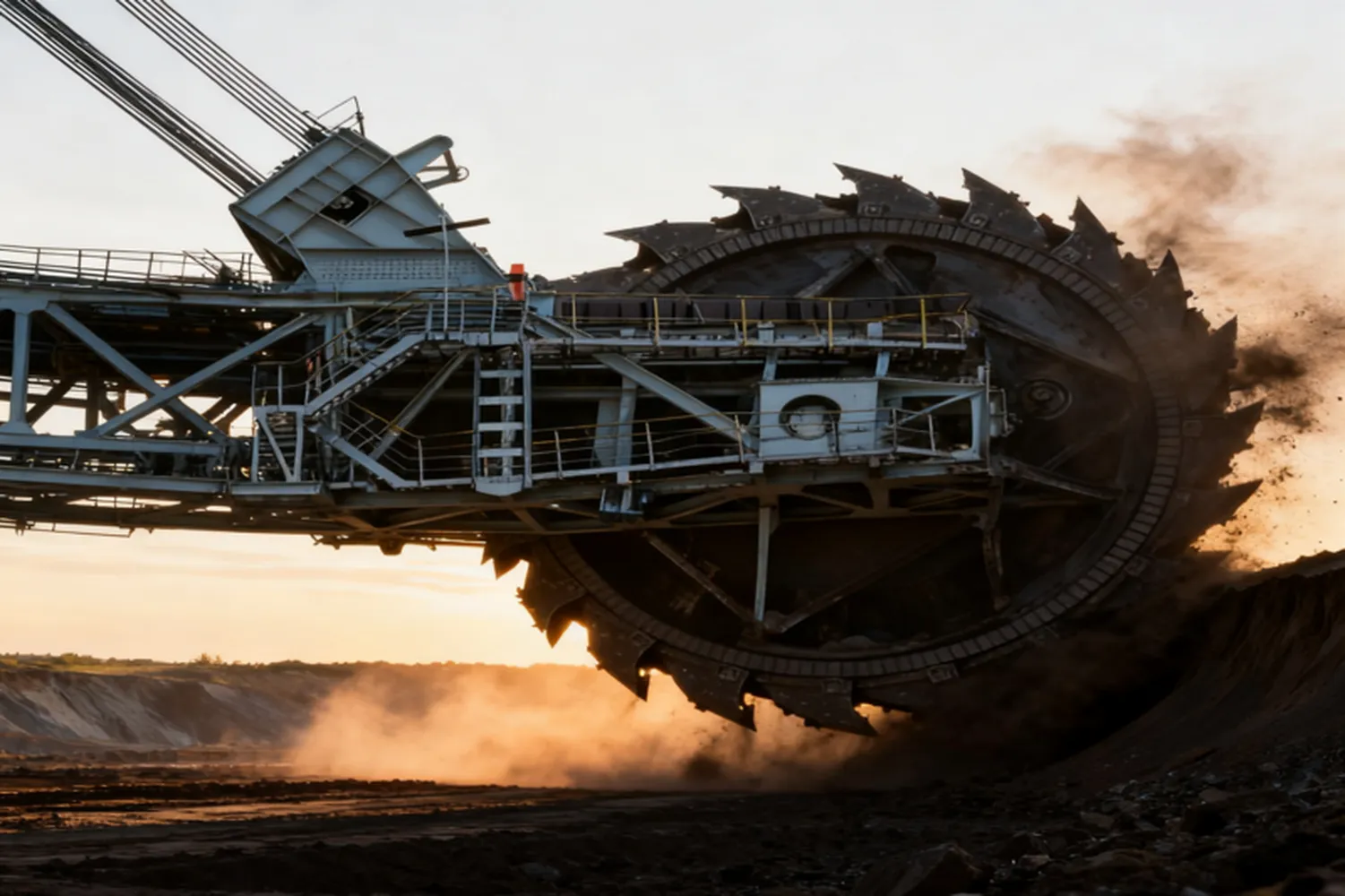
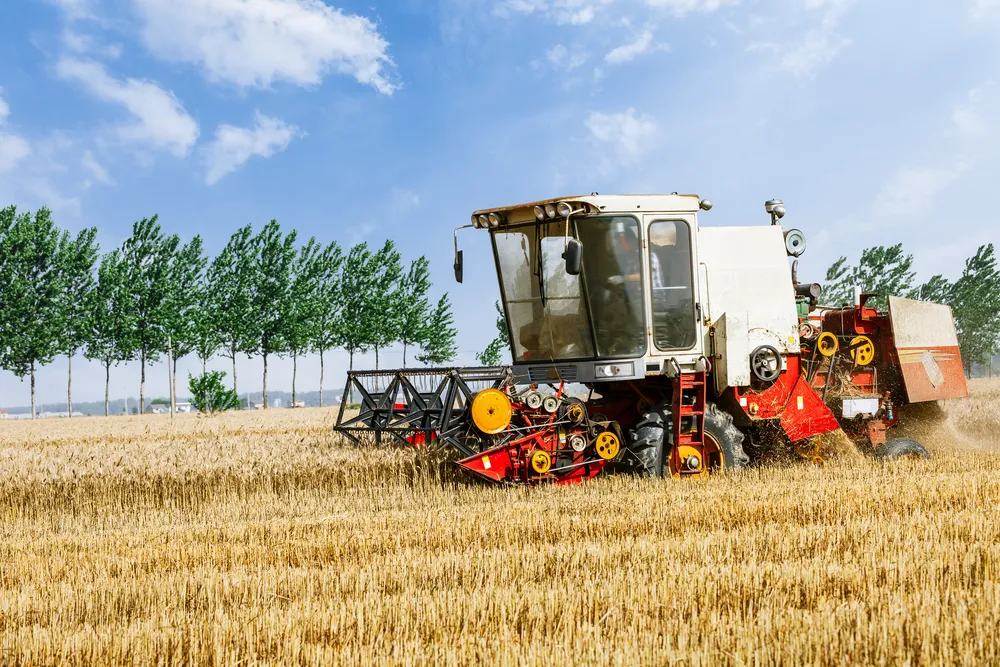
Self-aligning ball bearings work well in conveyor setups, farm tools, fabric machines also in fans plus systems with lengthy shafts where bending happens no matter what. Mounting errors pop up easily there.

Self-aligning ball bearings handle medium up to fairly high speeds, yet top performance usually falls short compared to deep groove types.Speed ability relies on how big the bearing is, what kind of pressure it’s under, whether grease or oil is used, also how much it’s off center.

Request a Quote