Products

Miniature Ball Bearings

What are Miniature ball Bearings?

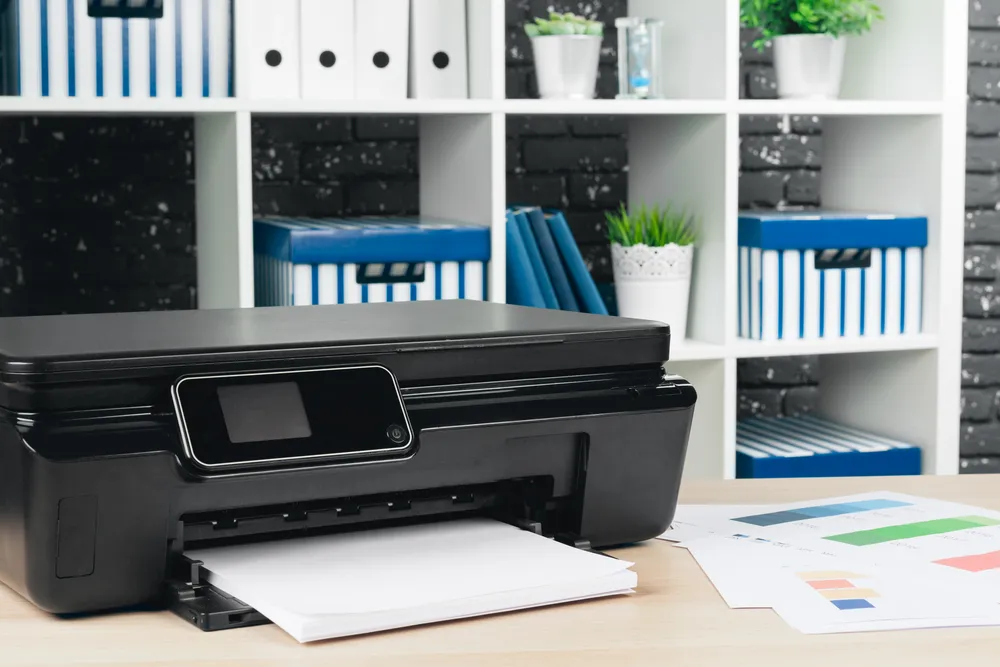
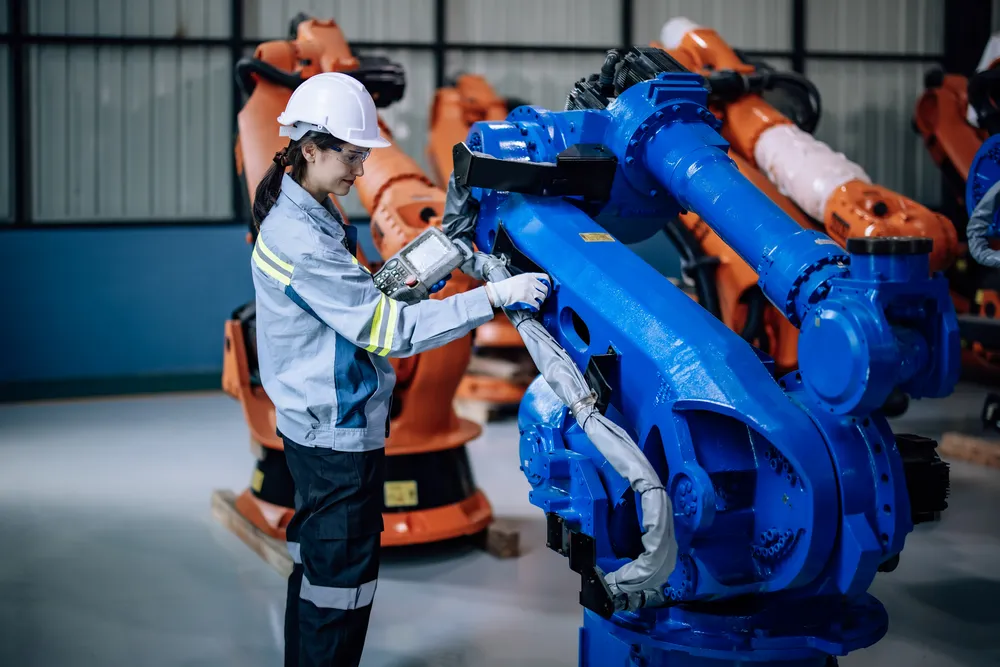
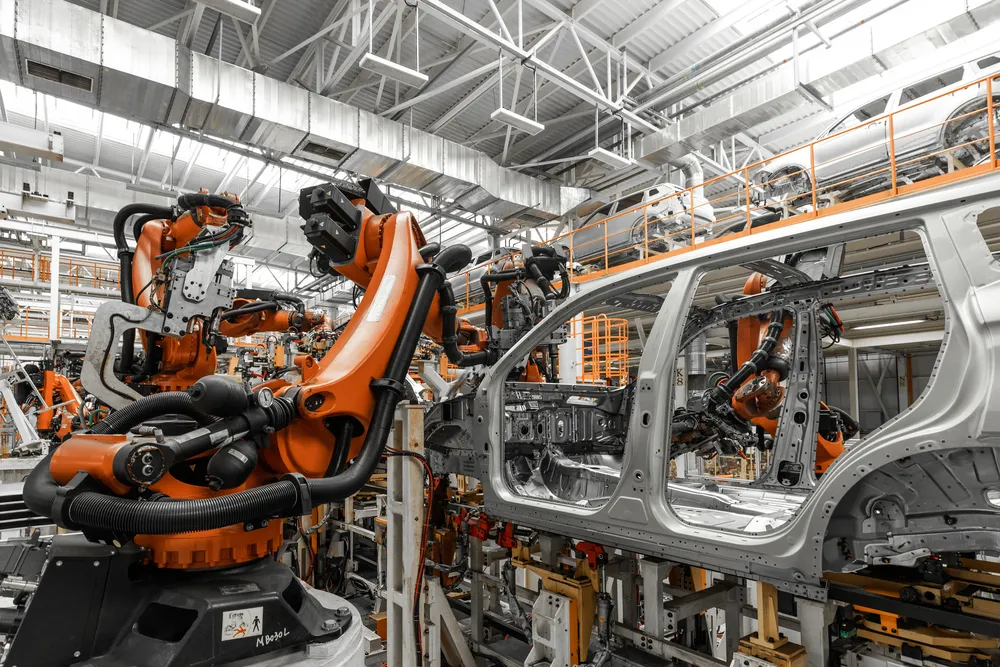
Miniature ball bearings are tiny but precise parts built for steady spinning in tight spots where size matters, speed counts, or quiet movement is needed usually less than 10 mm wide, with some having holes as small as about 1 mm across. Though they’re small, these components still have all the key pieces found in bigger ones: an inner race, outer race, balls that roll, plus a retainer all made using super fine cutting tools, exact measurements, along with polished surfaces so they run smoothly even when turning fast. Instead of standard metals, many use carbon chrome steel; others go for stainless steel, strong plastics, or ceramic balls depending on how tough they need to be, whether rust protection’s important, or what kind of setting they’ll work in. You can get them without covers, shielded with metal caps (ZZ), sealed with rubber lips (RS), coated in PTFE, or fitted with flanges and come in regular metric sizes such as 60, 68, 69 series, also imperial R types which helps fit them easily into smaller machines. Miniature ball bearings run smoothly with little resistance, vibrate less, handle fast speeds steadily, also keep lubricated well enough to stay slick during tough use. These tiny parts drive lots of precise gadgets like small motors, measuring gear, hard drives, dentist tools, medical devices, chip making machines, fan units, printers, robot bits, plus many tight setups needing dependable spin action. Picking the right one means checking what kind of weight it carries, how quick it spins, if it’s sealed, what lube it uses, where and how it fits; since even slight size flaws mess up function, top tier build quality along with careful handling really matters here. Overall, these miniature bearings pack slim sizing, exact movement, lasting durability together so today’s tiny mechanical tech runs without hiccups.
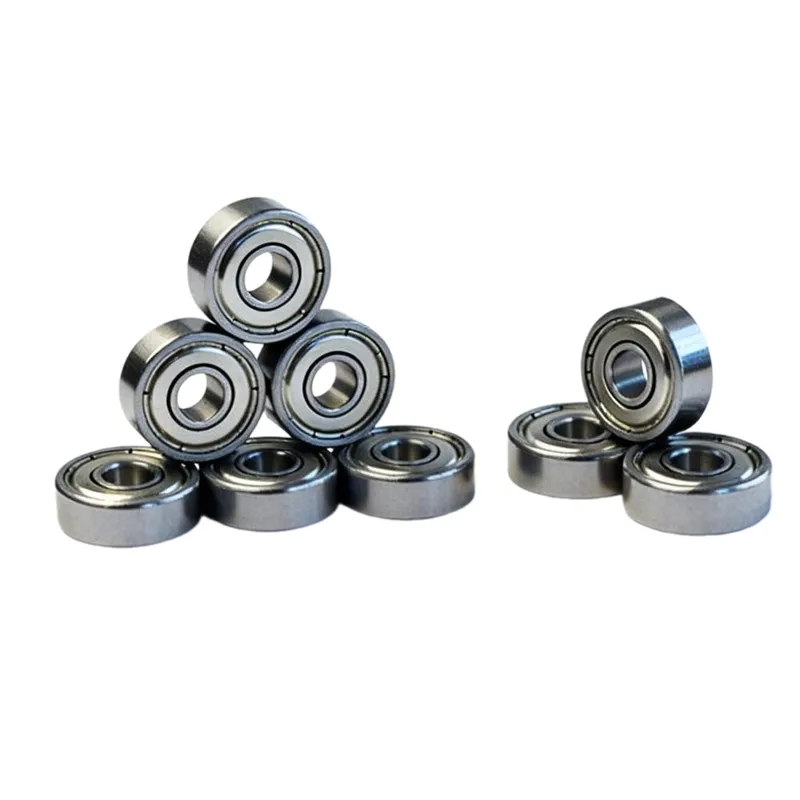

Features of Miniature ball Bearings

Compact structural design: Using slim parts with narrow sizes fits needs for tiny tools and mini motors. These designs help when space is tight. Small tubes work well where exact placement matters. Thin layers save room without losing strength. Compact shapes adapt easily to detailed setups
Ultra high precision manufacturing: Raceways plus balls get a final polish, hitting ultra fine textures so they roll without hiccups
Diversified material selection: Offering various material options like standard bearing steel, stainless variants, ceramic combos, or engineered plastics
Precision retention systems:Using brass, stamped steel, or tough plastic guides to keep rollers in place
Specialized lubrication systems:Filled with unique grease or oil so it runs smooth without needing upkeep for ages
Exceptional high speed performance:Precision cutting keeps things steady while running fast, yet cuts down on noise at the same time
Ultimate space efficiency:Small size makes it easier to fit into tiny gadgets offering more room for creative layouts while saving space without hassle
Excellent environmental adaptability:Fancy materials handle tough spots like damp or rust with ease

We Can Solve Your Problems

Professional selection guidance:Finding the best bearing setup using real world performance factors while matching exact working needs through tailored adjustments instead of generic fixes
Customized development:Fitting custom sizes, picking materials that match needs, also shaping builds how you want them
Lubrication system optimization:Picking the best oils or greases based on where they’ll be used
Precision assembly support:Providing expert tips on setup along with clear step by step directions
Full process quality control:Checking every step closely from supplies to final items so everything stays up to standard
Full cycle technical services:Offering full cycle tech help from picking the right tools to keeping them running smoothly along the way

Applications

Frequently Asked Questions

Find answers to common questions about our bearings. If you don’t find what you’re looking for, please don’t hesitate to contact us.

What size range is typically considered a miniature ball bearing?

Tiny ball bearings usually mean ones with a hole less than 10 mm wide sometimes under 3 mm in certain uses.These fit tight spots needing accurate spin motion. Their build saves room without losing control. Where layout’s squeezed, they still turn just right. Size stays small, yet movement remains smooth.

Built for light or medium duty use, tiny ball bearings have less weight plus a smaller touchpoint.Too much side or end pressure might cause cracks or bending fast getting the numbers right matters. While force is off, damage won’t happen; that’s why checking stress levels helps avoid breakdowns early.

Yep. Tiny ball bearings handle super fast spins since they don’t resist motion much, also the rubbing is minimal.Yet top speed relies on how well it’s lubed, what the cage looks like inside, space between parts, also how fast heat gets carried away.

Keeping noise down matters a lot think medical gear, tiny motors, or exact tools. How well parts are made, how smooth their surfaces are, also the type of lube used they all shape how loud things get.

Load handling matters a lot, along with how precise the setup is. Tiny bearings react badly when things aren’t clean around them. Their compact shape makes alignment trickier than larger ones. Speed during use plays a role too, just like proper grease application. Instead of lasting long, they wear faster if conditions aren’t right.

Request a Quote