







Products

Flange Bearings

What are Flange Bearings?

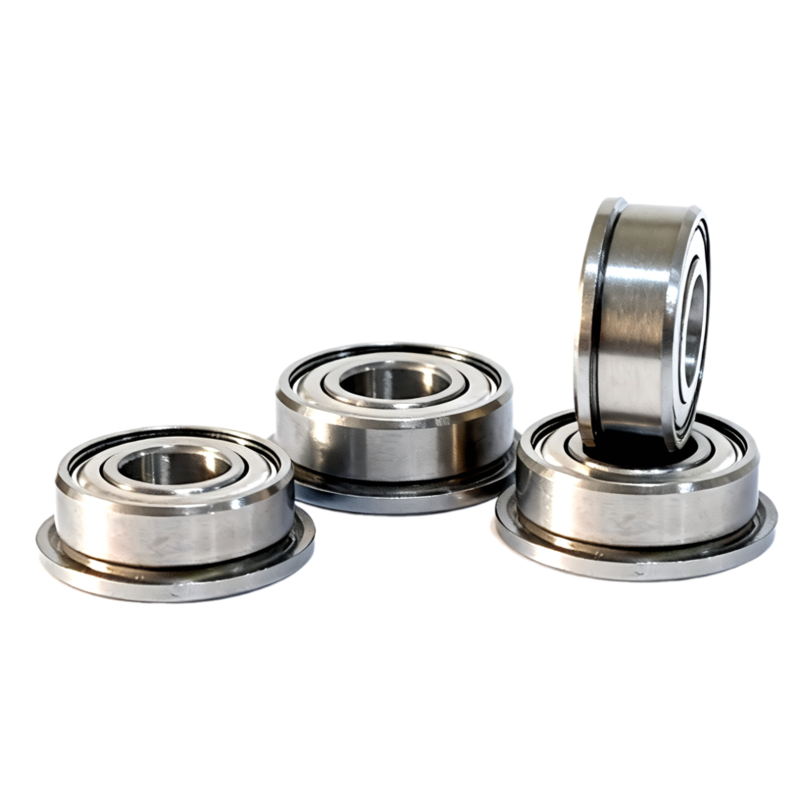
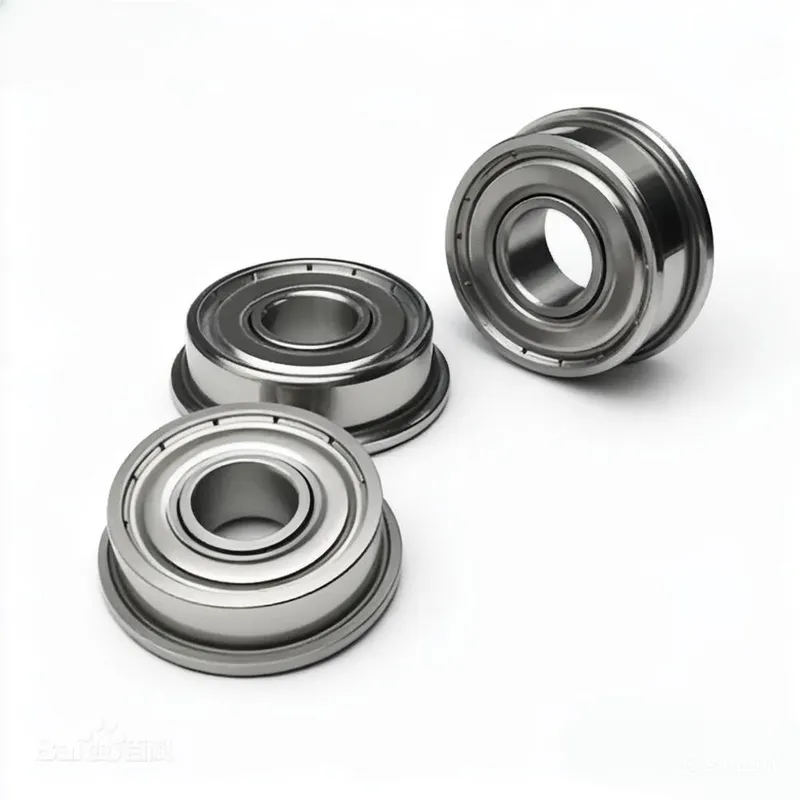
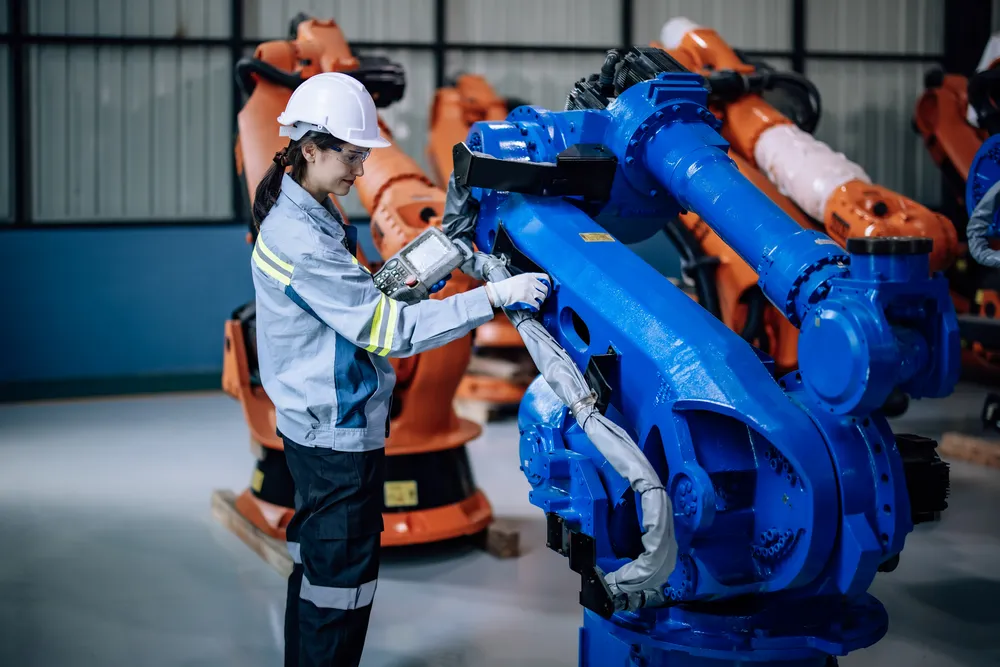
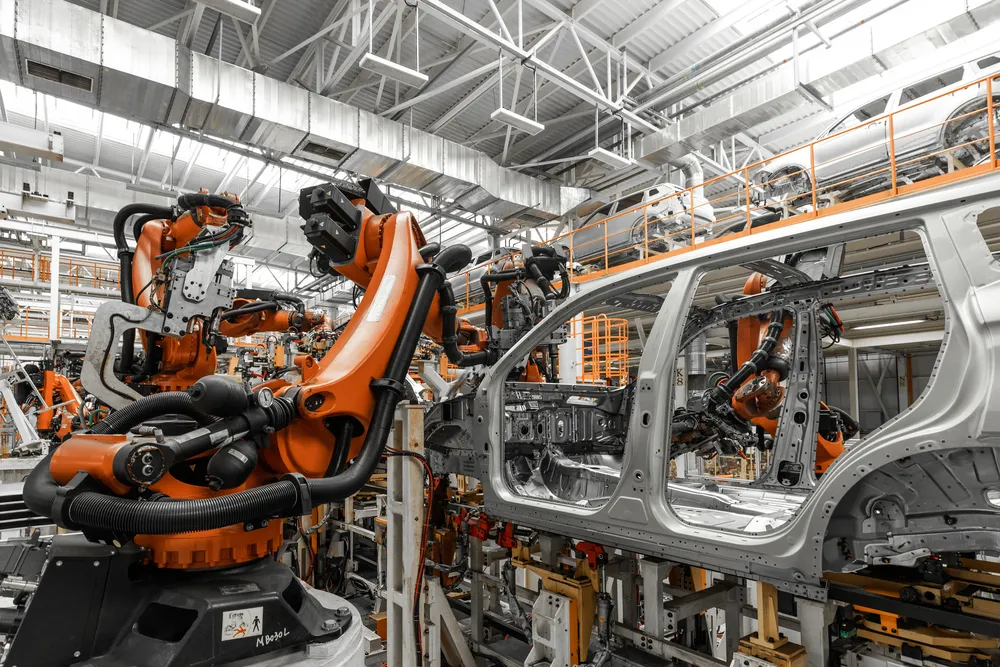
Flange bearings are special roller parts where the outer ring comes with a built in edge, so they handle both turning motion plus keep things lined up along the axis all in one piece. Because there’s a finely shaped shoulder right on the part, you don’t need extra pieces to hold it in place; this locks it down sideways without losing strength for loads from the side. Inside, they’ve got hardened inner and outer rings, rollers or balls, and smartly designed retainers that help them spin smoothly, manage resistance, and stay stiff even when space is tight. That shoulder isn’t just for holding it helps line up the shaft precisely, cuts back on how much metalwork’s needed for mounting blocks, and fits more neatly into machines overall. Some types come with a flange on one end only, others have two, and materials like stainless steel, chrome alloy, plastic cages, or tiny ball setups can be picked based on size needs or working conditions. Flange bearings fit tight spaces in small gadgets or precise machines like tiny motors, sensors, robots, medical tools, disk drives, auto parts. Because they lock onto flat surfaces, these units keep shafts steady at the ends. They combine support and alignment in one piece, so things spin smoothly without wobbling. That setup speeds up installation while cutting down on extra parts. Their design helps gear systems run reliably over time.

Features of flange Bearings

Integrated positioning flange:A carefully crafted flange setup ensures consistent alignment along the axis
Diversified installation methods:Provides different setup options like using bolts or fitting them tightly into place
Optimized material systems:Made using high carbon chromium steel or specific types of stainless metal
Advanced sealing technology:Multi-part seals keep oil in while blocking dirt from getting inside
Precision heat treatment:Raceway surfaces get tough yet flexible thanks to unique processing methods
Simplified installation process:Fewer parts needed cause the setup handles alignment on its own
Precise axial positioning:Precision flanges ensure accurate bearing position within machine bases
Enhanced system rigidity:A stronger base setup helps the whole network run smoother

We Can Solve Your Problems

Customized selection services:Picking the best bearing setup by looking at how things really work
Dynamic performance optimization:Using smart computer models to guess how systems will run
Special environment adaptation:Finding ways to handle tough job environments like when stuff needs to survive rust or extreme heat
Installation process guidance:Setting up gear right + fixing tech hiccups along the way
Intelligent monitoring solutions:Putting in web based tracking tools so machines can warn before breaking down
Life assessment services:Predicting lifespan right by using smart study methods

Applications

Frequently Asked Questions

Find answers to common questions about our bearings. If you don’t find what you’re looking for, please don’t hesitate to contact us.

What are flange bearings, and why are they important in industrial machinery?

Flange bearings come with a built in rim on the outside edge this helps fix them firmly onto even surfaces. These units hold shafts steady while keeping parts lined up properly; that’s why they handle shaking so well. You’ll find them working hard in farm tools, moving belts, or heavy duty machines where reliability matters.

Think about how thick the shaft is, what kind of force it handles side push or end pull as well as how fast it runs. Watch out for dirt, wetness, heat levels around it, along with how it’s fixed in place. Getting this right means things last longer while avoiding early breakdowns.

Many flange bearings handle side forces well, yet some models also manage limited endwise pressure based on their build. Knowing which way force acts and how strong it is helps the part last longer while working right.

Vibration or sound changes when tolerance, smoothness of surfaces, how well it’s lubed, alignment issues pop up, also if the setup feels shaky. Bearings that fit just right plus correct fitting help lower extra shaking or humming.

Flanged bearings work better if you need exact positioning, tight spaces, or quick setup. These shine in small machines or cases with slim walls.

Request a Quote

Request a Quote